Pelvic Floor Health After 50: Menopause & Bladder Control
Jan 23, 2026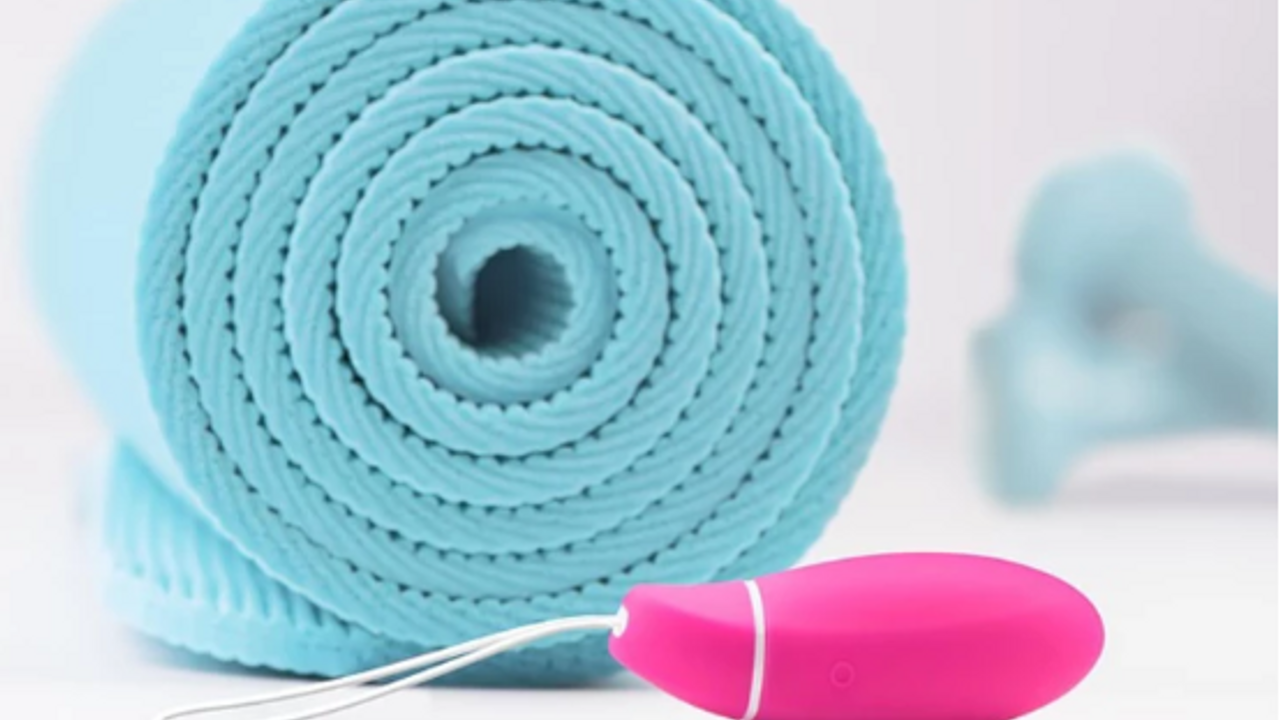
Let’s talk about the muscle group nobody warned you about . . . until you sneezed.
If you’ve ever:
- Crossed your legs before coughing
- Avoided jumping jacks
- Mapped bathrooms before a long walk
- Felt heaviness or pressure “down there”
You’re not broken. But your pelvic floor might be asking for attention.
And in peri/menopause? That attention becomes non-negotiable.
What Is the Pelvic Floor?
Your pelvic floor is a group of muscles that form a supportive hammock from your pubic bone to your tailbone, and side to side between your sitting bones.
These muscles support:
- Your bladder
- Your uterus
- Your rectum
- Your spine and core stability
They control:
- Urination
- Bowel movements
- Gas
- Sexual function
- Intra-abdominal pressure during lifting
And they are deeply connected to your diaphragm, deep core muscles, and back. This is not just a “Kegel muscle.” This is foundational strength.
Why Pelvic Floor Issues Increase During Peri to Post-Menopause
Here’s the part most women aren’t told: estrogen supports the integrity, elasticity, and strength of pelvic tissues.
As estrogen declines:
Tissue becomes thinner and less elastic
Collagen production decreases
Muscle mass declines
Blood flow drops
Recovery slows
Risk of prolapse and incontinence increases
Add in pregnancy history, chronic dieting, high-impact exercise without proper core strategy, heavy lifting with poor pressure management, and/or chronic constipation . . . and suddenly your pelvic floor is under more strain than it was designed to handle.
This is why bladder leakage, urgency, and prolapse symptoms often show up in midlife, even if childbirth was 20+ years ago.
Vaginal Estrogen: The Missing Piece Most Women Aren’t Offered
This needs its own spotlight.
Local vaginal estrogen is one of the most under-prescribed, highest-impact tools for midlife women.
Unlike systemic hormone therapy, vaginal estrogen works locally to:
- Restore tissue thickness
- Improve elasticity
- Increase blood flow
- Support natural lubrication
- Reduce urinary urgency and UTIs
- Improve comfort with intimacy
- Support pelvic floor function
And here’s the key: This isn’t just about sex. It’s about tissue health.
When vaginal tissue becomes thin and dry (genitourinary syndrome of menopause), the pelvic floor has less structural support. That can worsen leakage, irritation, and even the sensation of prolapse.
For many women, adding vaginal estrogen:
- Improves PT outcomes
- Reduces symptoms dramatically
- Helps strength work actually “stick”
This is a conversation to have with a knowledgeable provider. Many women are excellent candidates even those who cannot take systemic HRT.
GLP-1 Medications and Vaginal Tissue: The New Conversation
If you’re seeing a sudden spike in pelvic symptoms while using GLP-1 medications (like semaglutide or tirzepatide), you’re not imagining things.
We’re seeing this more in real life before it fully catches up in research.
Here’s why it may be happening:
1. Rapid fat loss = hormonal shifts
Fat tissue stores and produces estrogen. Rapid fat loss can lower circulating estrogen further, especially in postmenopausal women. Less estrogen = more tissue fragility.
2. Muscle loss risk
Without intentional strength training and protein intake, GLP-1 use can accelerate lean muscle loss. And yes that includes pelvic floor muscle.
3. Dehydration + reduced intake
Lower appetite and fluid intake can contribute to: vaginal dryness, constipation, increased pelvic strain. Constipation alone is a major pelvic floor stressor.
4. Collagen and tissue resilience
Rapid weight loss can affect skin and connective tissue integrity, pelvic tissue included. This doesn’t mean GLP-1s are “bad.” It means they require a smarter support strategy in midlife.
If You’re Using GLP-1s, Protect Your Pelvic Floor Like This
If you or your clients are on these medications, this is where proactive care matters:
1. Consider vaginal estrogen early Don’t wait until symptoms are severe. Tissue support is preventative care.
2. Lift weights consistently Muscle is protective — including pelvic floor muscle.
3. Prioritize protein Aim for adequate daily intake to preserve lean mass.
4. Hydrate intentionally Don’t rely on thirst cues alone.
5. Stay ahead of constipation Fiber, fluids, movement, magnesium if appropriate.
6. Work with a pelvic floor PT Especially if symptoms start changing during weight loss.
This is not fear-based. It’s informed, modern care.
Fast-Twitch vs. Slow-Twitch: Why Both Matter
Your pelvic floor contains two types of muscle fibers:
Fast-twitch fibers – Activate quickly during coughing, sneezing, or jumping.
Slow-twitch fibers – Provide endurance and ongoing support to keep you continent throughout the day.
If you only do quick squeezes… you miss endurance.
If you only hold long contractions… you miss responsiveness.
Both matter.
Important: Not All Pelvic Floor Problems Need More Kegels
This is where modern science matters.
Some women have weak pelvic floors.
Some women have tight, overactive pelvic floors.
Some have poor coordination.
If you have:
- Pain with intercourse
- Difficulty starting urine flow
- Chronic constipation
- Pelvic pain
More squeezing may actually make it worse. This is why pelvic floor physical therapy is now considered the gold standard for assessment and treatment. If something feels off, get assessed. Guessing is not a strategy.
A Simple Pelvic Floor Exercise Plan for Women Over 50
Start lying down or seated.
-
Gently contract and lift the pelvic floor.
-
Hold for 5 seconds (build toward 10).
-
Fully relax for 5 seconds.
-
Repeat 5–8 times.
Then add 5 quick pulses (fast contractions).
Perform 1–2 sets daily.
Progress to:
-
Seated
-
Standing
-
During functional movements (squats, deadlifts, step-ups)
If you want to stay active, hike, lift, travel, and live boldly in midlife, your pelvic floor has to function under load.
Strength Training and the Pelvic Floor
Contrary to old advice, lifting weights does NOT automatically damage your pelvic floor.
Poor pressure management does.
Learning how to:
-
Exhale during exertion
-
Coordinate core + pelvic floor
-
Avoid bearing down
-
Build progressive strength
…is protective. Strong women are not destined for prolapse. Unmanaged pressure is the problem, not strength.
Tools That May Help
-
Pelvic Floor Physical Therapy – First line, best option
-
Biofeedback devices
-
Vaginal weights/cones (not appropriate for everyone)
-
Apps for reminders and structure
-
Pessaries for prolapse support
-
Vaginal estrogen for tissue health
-
Systemic HRT (when appropriate and individualized)
This is not one-size-fits-all. It’s strategy.
Signs You Should See a Specialist
-
Leakage with coughing, laughing, or exercise
-
Urgency or frequent urination
-
Pain with sex
-
Pelvic heaviness or bulging
-
Chronic constipation
-
Incomplete emptying
These are common. They are not normal. And they are highly treatable.
Pelvic Floor Dysfunction: When Relaxation Is the Goal
If your pelvic floor is overactive, treatment may include:
-
Breathwork
-
Relaxation training
-
Manual therapy
-
Nervous system regulation
-
Warm baths
-
Stretching
More Kegels are not always the answer. Assessment matters.
Bladder leakage. Pelvic pressure. Pain. These are not your new normal just because you turned 50.
Pelvic floor dysfunction is common, but it is treatable.
- Advocate for yourself.
- Ask about vaginal estrogen.
- Protect your muscle.
- Lift smart.
- Train your core properly.
And stop pretending you’re fine when you’re planning your life around bathrooms. Midlife is not the time to shrink your activity. It’s the time to build smarter strength from the inside out.
Stay connected with news and updates!
Join our mailing list to receive the latest news and updates from our team.
Don't worry, your information will not be shared.
We hate SPAM. We will never sell your information, for any reason.